What Does "Too Alkaline" Actually Mean?
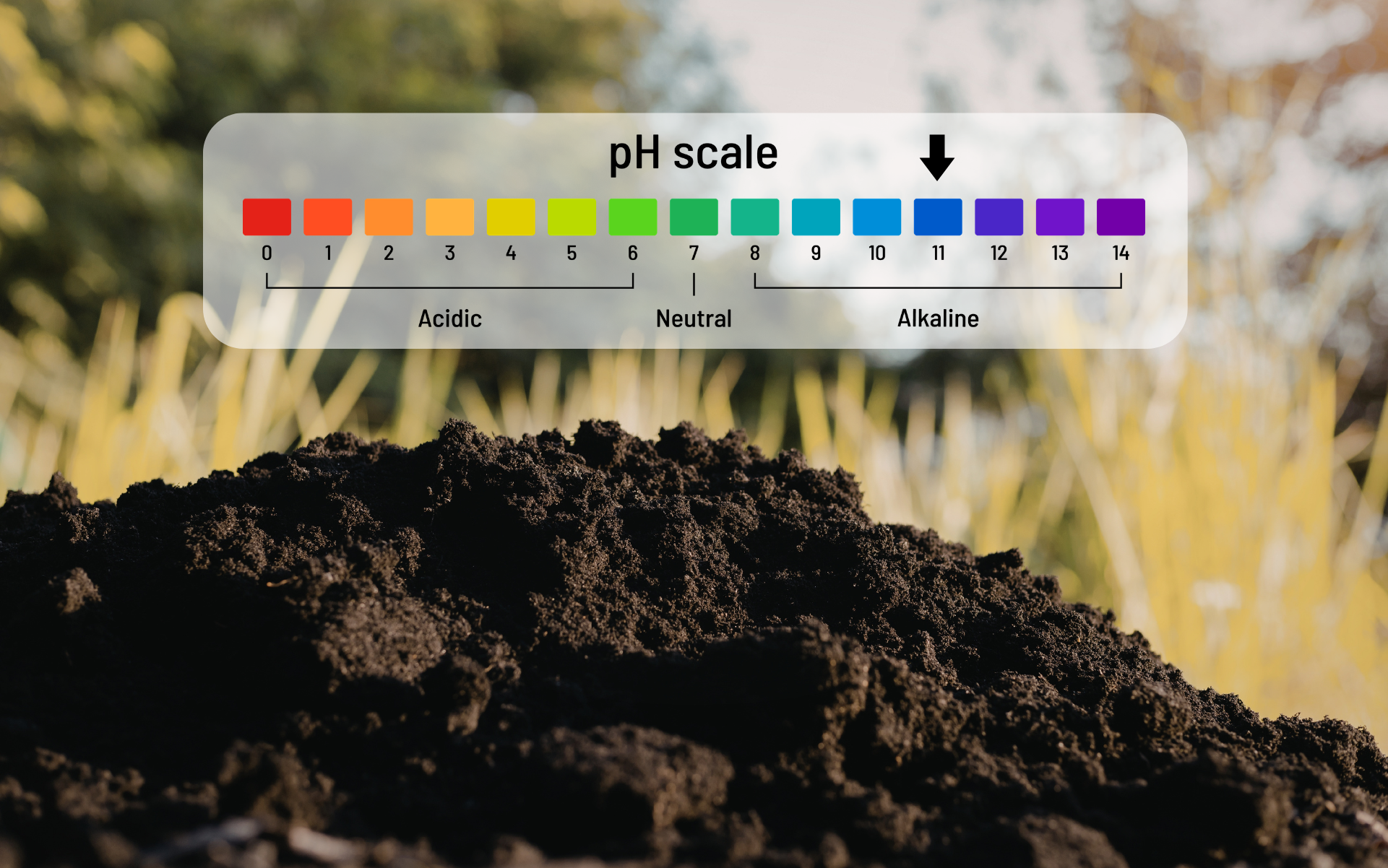
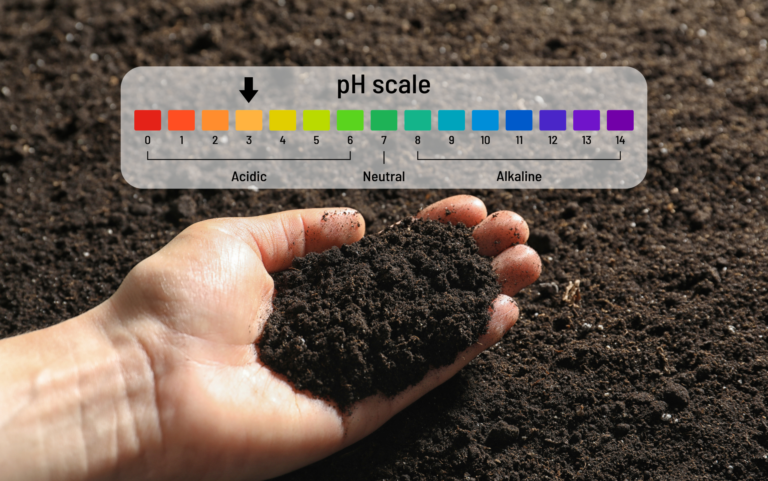
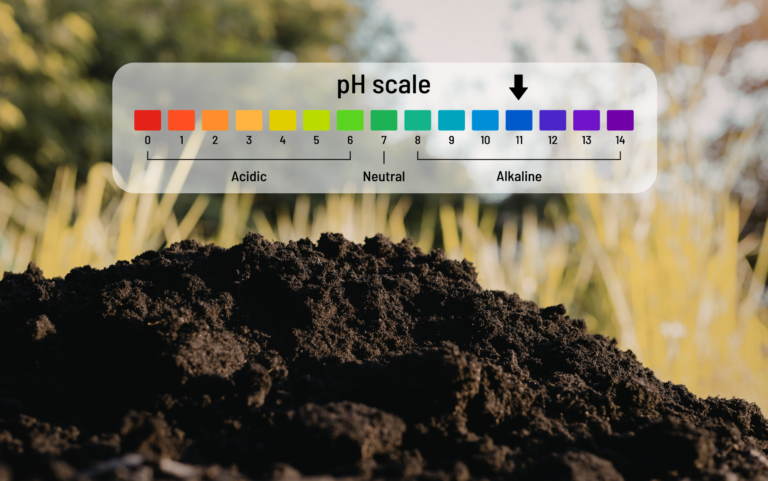
The pH value indicates how acidic or alkaline your soil is – on a scale from 0 (very acidic) to 14 (very alkaline). The ideal range for most garden plants is between 6.0 and 7.0.
If the value exceeds this range, the soil is considered alkaline. The problem is the same as with acidic soil, just in reverse: important nutrients such as iron, manganese, and zinc become less available to plants in overly alkaline soil – even if they are present in the ground. The plant simply cannot absorb them.
Typical signs of overly alkaline soil:
- Leaves turning yellow while the veins remain green (iron deficiency, also known as chlorosis)
- Weak, stunted growth
- Poor fruit development in vegetables
Lawn: Lowering the pH Value
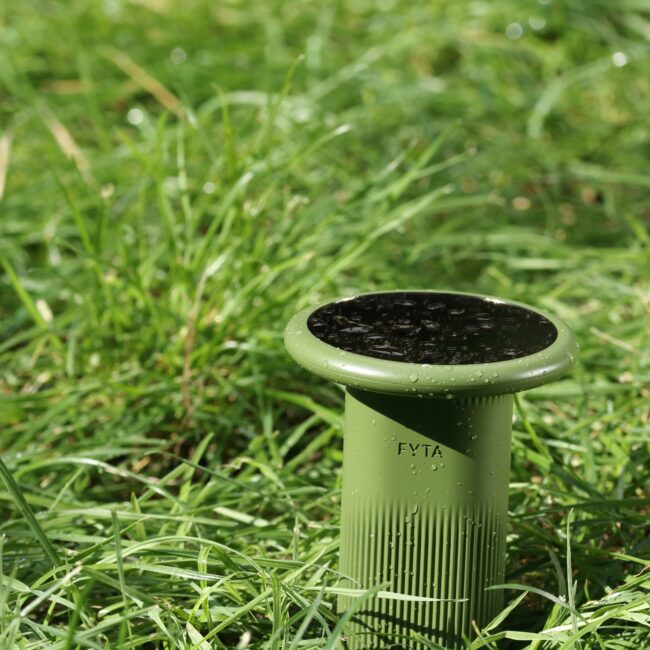
The ideal pH value for lawns is 6.0–7.0. Overly alkaline soil leads to nutrient deficiency and can permanently weaken the grass.
What you can do:
- Apply elemental sulphur. Elemental sulphur is the classic treatment for lowering the pH value in lawns. Soil bacteria convert it over time into sulphuric acid, which gradually lowers the pH. Follow the recommended dosage on the packaging – do not overdose.
- Distribute evenly. A spreader works best. Without one, fill the sulphur into a bucket in portions and spread it by hand across the surface. Always wear gloves.
- Water thoroughly. After applying, water the lawn well so the sulphur is worked into the soil.
- Be patient. Sulphur works slowly – the pH value drops over several weeks to months. Measure again after at least 6–8 weeks.
Best time to apply: Spring or autumn – do not apply in heat, as sulphur can damage the turf at high temperatures.
Garden Bed: Lowering the pH Value
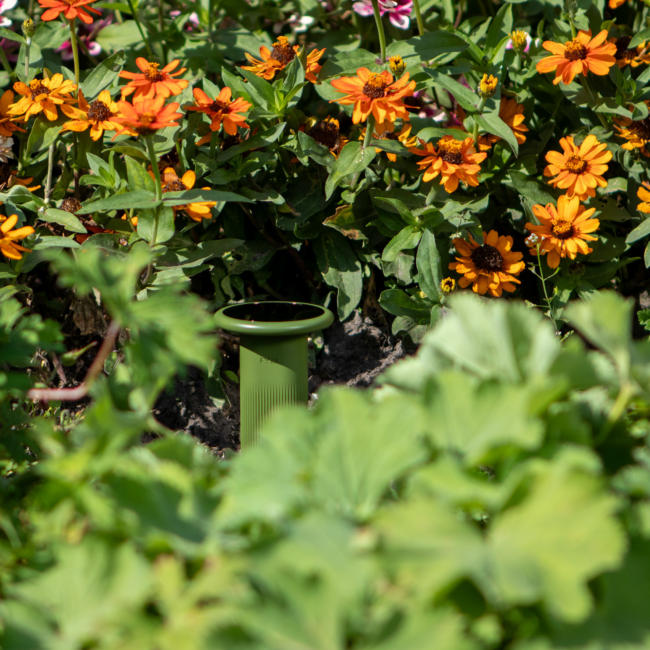
The ideal pH value for vegetable and flower beds is usually 6.5–7.0. Acid-loving plants such as blueberries or rhododendrons prefer values as low as 4.5–5.5.
What you can do:
- Work elemental sulphur into the soil. Apply sulphur to the bed and work it into the top 10–15 cm of soil using a hoe or garden fork. The effect sets in slowly but is long-lasting.
- Use acidifying fertiliser. Fertilisers based on ammonium sulphate, or specialist blueberry and rhododendron fertilisers, lower the pH moderately while also supplying the plant with nutrients.
- Work in needle soil. Needle soil has a naturally low pH and is well suited for adapting beds for acid-loving plants over time.
- Measure again after 4–6 weeks and adjust if needed.
Important: Do not acidify and apply lime-based fertiliser at the same time – the two measures cancel each other out.
Potted Plant: Lowering the pH Value
There are two effective approaches for potted plants.
Option A – Replace the Soil (recommended for severely alkaline soil)
- Carefully remove the plant from the pot and take out at least 50–70% of the old soil.
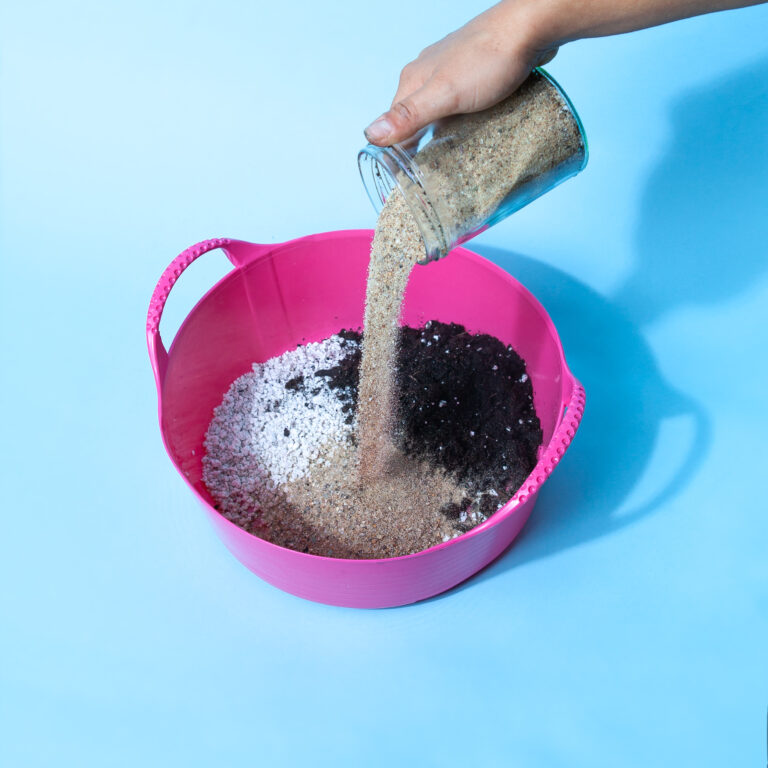
- Use fresh, pH-neutral or plant-specific soil – for acid-loving plants, opt for specialist rhododendron or blueberry compost. The pH value is usually stated on the packaging.
- Repot the plant, water it well, and keep an eye on it.
Option B – Correct the pH Value in Existing Soil
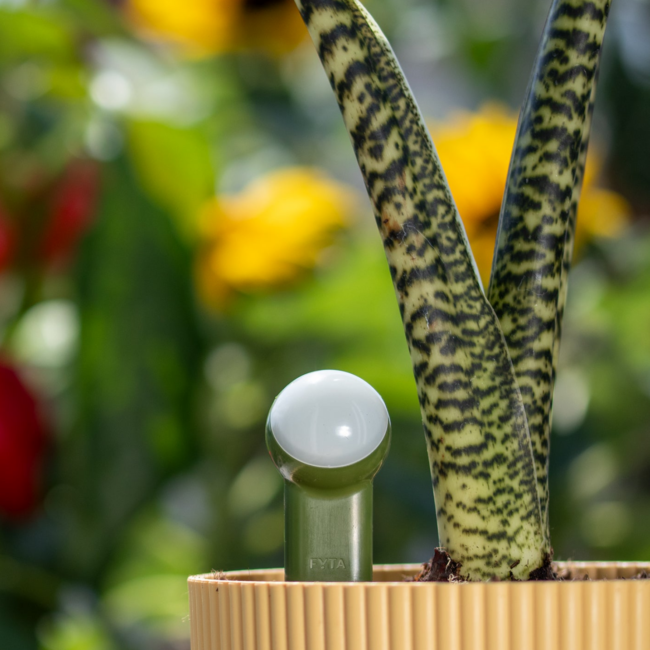
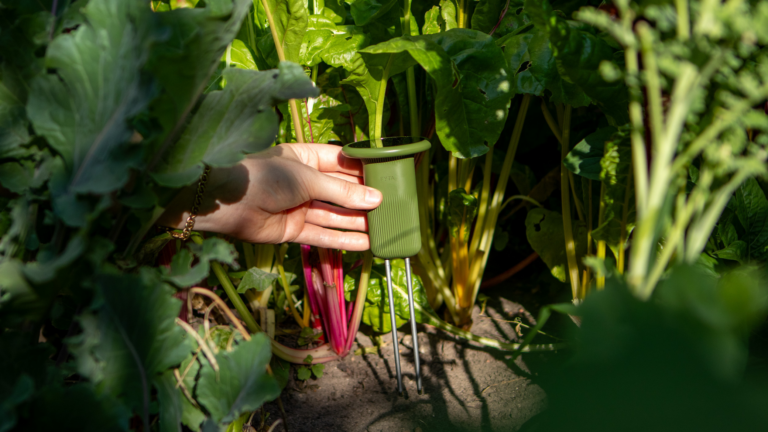
- When your plant is thirsty – your FYTA sensor will notify you when it’s time – work a small amount of elemental sulphur or acidifying fertiliser into the soil. Be careful not to damage any roots while doing so. Then water as normal straight away, so the product can distribute through the substrate. Small pots react quickly, so use less and adjust if needed.
- Measure the pH value again after 2–3 weeks and repeat if necessary.
Tip: Rainwater is slightly acidic and is particularly well suited for watering when the soil is too alkaline. Hard tap water, on the other hand, can gradually raise the pH value in a pot over time.
Overview
| Use Case | Method | Effect | Speed of Action |
|---|---|---|---|
| Lawn | Elemental sulphur | Lowers pH sustainably | Slow |
| Bed | Elemental sulphur | Lowers pH sustainably | Slow |
| Acidifying fertiliser (e.g. ammonium sulphate) | Lowers pH moderately, supplies nutrients | Medium | |
| Needle soil | Lowers pH, improves soil structure for acid-loving plants | Slow | |
| Pot | Replace soil | Brings the pH value to the ideal range in one go | Immediate |
| Work in sulphur or acidifying fertiliser | Lowers pH moderately, gentle on the plant | Medium |
After every measure: be patient and re-measure. The pH value does not change overnight.