A window box full of herbs, a raised bed with vegetables, a flower bed by the front door – the idea sounds simple. Buy some plants, put them in, done. What’s often underestimated: plants sharing a small space share everything – the water, the nutrients, the light and the substrate. And when they have different needs, someone always loses out.
A well-thought-out plant combination isn’t a luxury for expert gardeners. It’s the foundation for keeping your plants healthy long-term, reducing the amount of care they need, and avoiding the constant struggle of rescuing plants that simply don’t get along with their neighbours.
The Hidden Challenge: You're Always Caring for the Community
When setting up a window box or bed, it’s tempting to think of each plant individually. In practice, that rarely works. When you water, you water the whole box. When you fertilise, you fertilise everything. Targeted separation – a little more in one corner, a little less in another – is theoretically possible, but almost impossible to maintain consistently in reality.
This has direct consequences. If basil and rosemary share the same box, one of them will always be getting the wrong treatment. Basil needs consistently moist soil – rosemary can’t tolerate that long-term and will start to rot. Water less, and the basil suffers. There’s no good compromise – just two unhappy plants.
The same applies to light, nutrients and substrate. On a small shared space, you can’t really manage these individually. Getting the combination wrong means you’re fighting against your own planting from the start.
The Four Dimensions That Matter
Before combining plants, it’s worth comparing four key factors:
Water requirements The most obvious criterion – and the most important. Plants with very different water needs are hard to care for together in a confined space. Always combine plants that need watering at a similar frequency and in similar amounts.
Light requirements Full sun, partial shade, shade – all plants in the box or bed have to cope with the same conditions. A shade-loving plant next to a sun worshipper makes no sense if both are in the same spot.
Nutrient requirements Some plants are heavy feeders, others need very little. When they’re fertilised together, either one gets too much or the other gets too little.
Substrate Not all plants like the same soil. Mediterranean herbs prefer well-draining, sandy substrate – many vegetables need nutrient-rich, humus-heavy soil. Combining them means getting it wrong for at least one of them.
What Works Well Together – Practical Examples
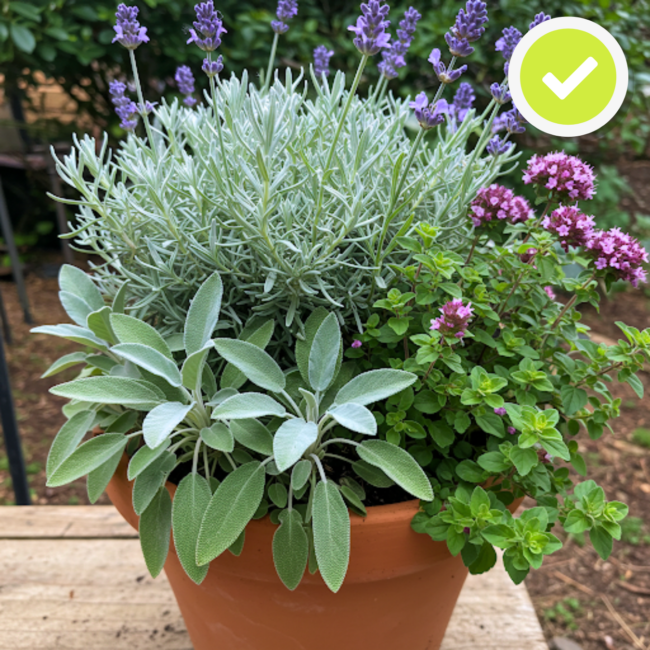
Sage & Oregano
Mediterranean herbs Rosemary, thyme, sage and oregano make ideal neighbours. All love sun, cope with little water, prefer well-draining substrate and need minimal fertilising. A box with these four herbs is low-maintenance, long-lasting and wonderfully aromatic.
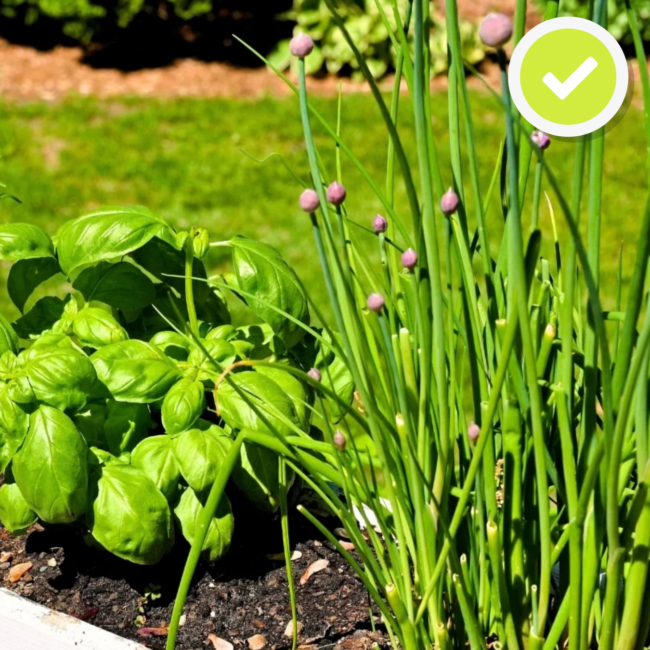
Basil & chives
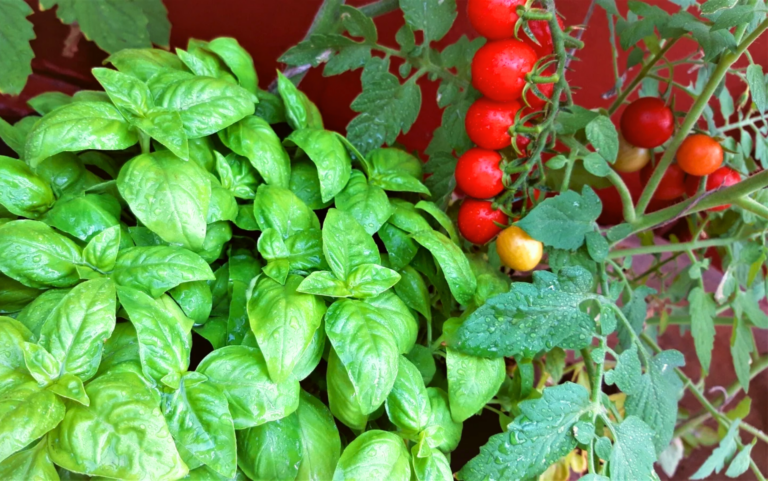
Moisture-loving herbs Basil, parsley, chives and coriander also go well together – all need consistently moist soil, a little more nutrients, and don’t like drying out. Ideal for a box in a partially shaded to semi-sunny spot.
Lavender & Chamomile
Lavender, chamomile & co. – flowering plants for the bed Lavender and chamomile are a tried and tested duo – both love sunny spots, cope well with moderate watering and don’t need nutrient-rich substrate. Marigolds make a great addition: equally sun-loving and easy to care for. Together they bloom for a long time, look beautiful and attract beneficial insects.
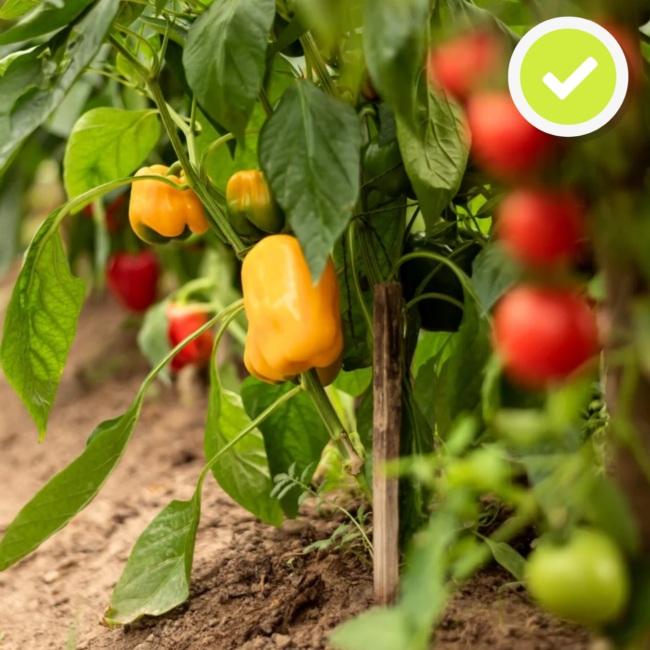
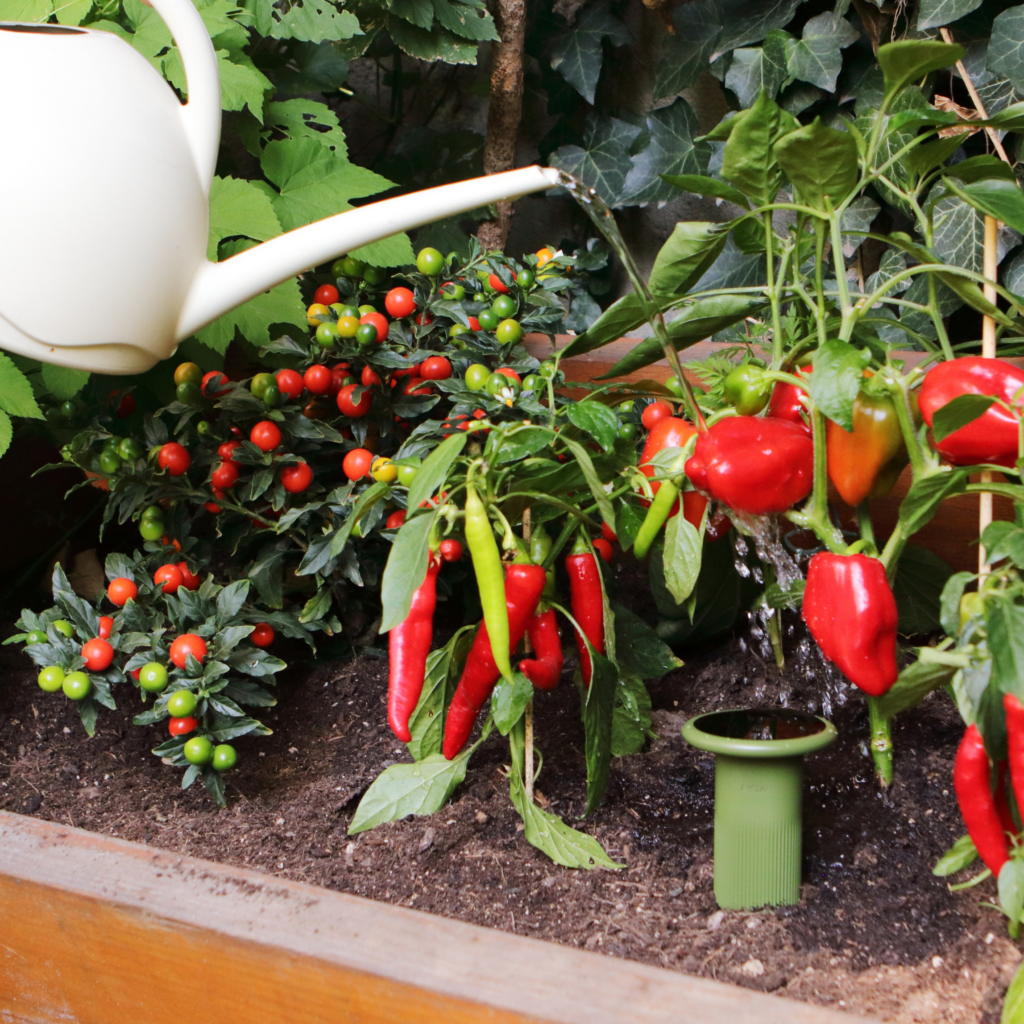
Tomato & Pepper
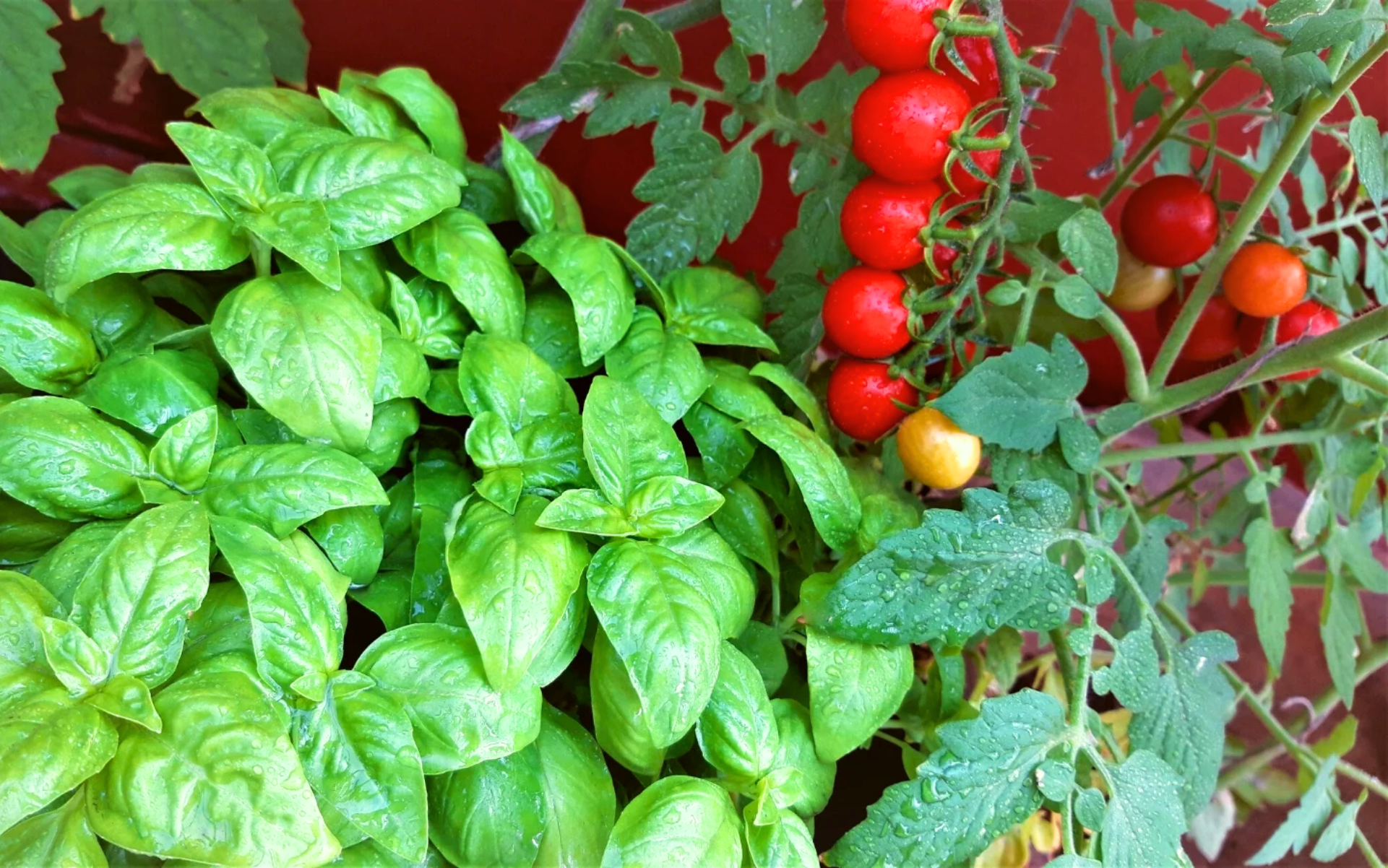
Vegetables with similar water needs Tomatoes, peppers and aubergines all have high water requirements and love sunny, warm spots. A well-proven combination for raised beds or large containers.
What to Avoid – Classic Combinations That Don't Work
Basil & rosemary The classic mistake. Basil needs constant moisture, rosemary can’t tolerate that long-term. One of them will always suffer.
Mint & other herbs Mint is a spreader – it expands aggressively and crowds out its neighbours. Best kept on its own or in a separate pot.
Succulents & moisture-loving plants Succulents store water and need very little of it. Combined with plants that need regular watering, the succulents will eventually rot.
Heavy feeders & light feeders Fertilising tomatoes and thyme in the same bed is tricky – tomatoes need a lot, thyme very little. Getting it right for the tomatoes means overdoing it for the thyme.
Tips for Planning
Consider plant height Tall plants belong at the back or in the centre – otherwise they shade their neighbours. In a window box: tall plants at the back, low-growing ones at the front.
Think about seasonality Not all plants have the same season. Combining early bloomers with summer-flowering plants extends the enjoyment of your bed – but only if their care requirements still match.
Don’t plant too close together Tight planting means competition for water, nutrients and light. Leave a little more space – the plants will fill it over time.
Choose the right substrate Where possible, choose a substrate specifically suited to your planting – a dedicated herb, vegetable or flowering plant compost rather than a generic all-purpose mix.
Getting the Most Out of Your FYTA Terra
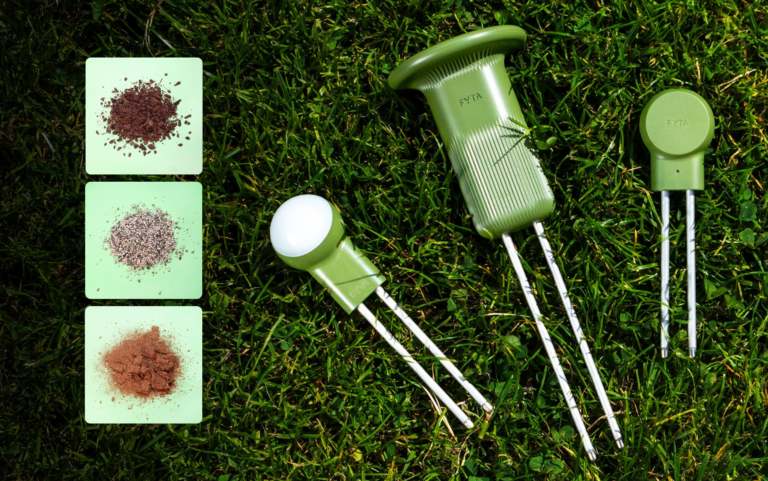
For those who want to monitor their planting even more precisely, a FYTA Terra sensor can be placed in the bed or box. The sensor measures soil moisture, nutrients, light and temperature directly in the substrate and provides care recommendations in the app.
One important thing to keep in mind: the Terra measures locally – right where it’s placed. It gives a recommendation for the entire area. This means the more similar the requirements of your plants, the more precise and useful the sensor’s recommendations will be.
For optimal placement: not at the edge of the box or bed, but in the area of the main plants – where the soil is most representative of the overall planting. Also make sure the sensor itself is not shaded by neighbouring plants. The Terra also measures light – if it’s permanently in the shadow of another plant, it will deliver inaccurate light readings that don’t reflect the actual conditions at your location.
Using the FYTA Sphere With a Group of Plants
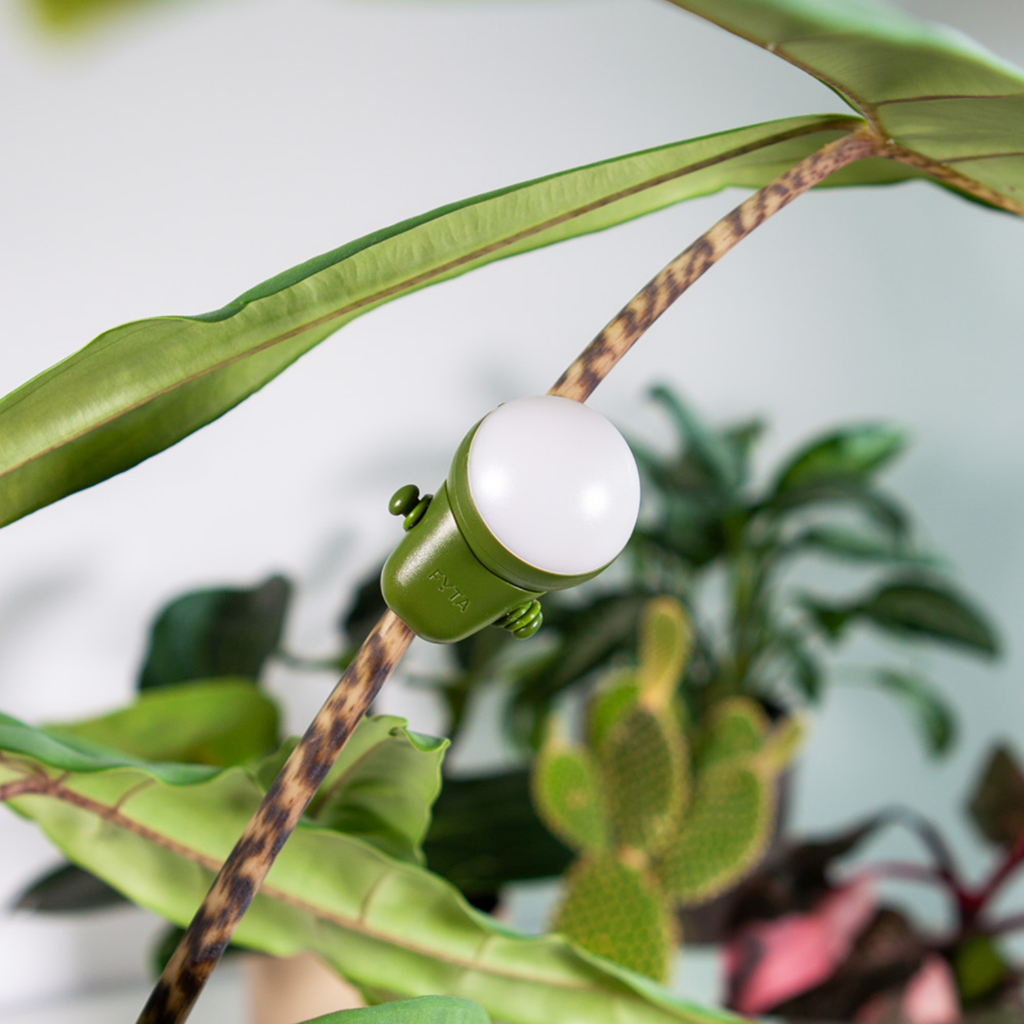
The FYTA Sphere measures light, temperature and humidity – making it ideal for keeping an eye on the above-ground conditions for a group of plants. But the same rule applies here: the sensor always measures locally, right where it’s placed. What it shows applies only to its own immediate location – not automatically to all the plants nearby.
This becomes particularly relevant when plants are at different heights. A Sphere attached to the top of a large plant measures the light conditions in its immediate surroundings. Smaller plants standing below or beside it, shaded by the larger plant, don’t register on the Sphere at all. It reports: light levels are fine – while the plants further down may be getting far too little light.
For the Sphere to deliver meaningful readings, the entire plant group should not only have similar requirements but actually be exposed to the same conditions. When arranging your plants, make sure none of them permanently shades the others or blocks air circulation – and place the Sphere where its readings are truly representative of the whole group.
For Plant Nerds: The Light Tier Principle
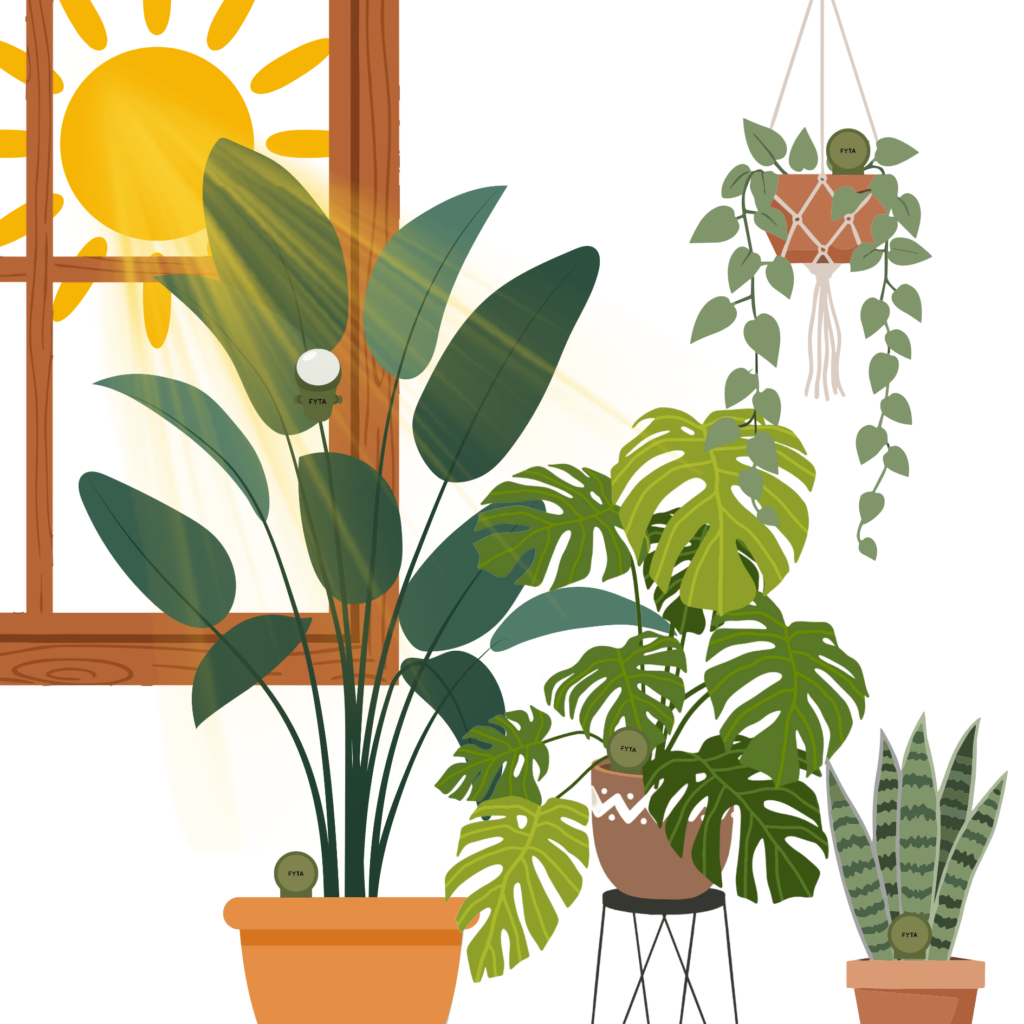
Those who want to take their plant arrangement to the next level can draw inspiration from a principle nature uses itself: the tier system. Light-hungry plants go at the top – as hanging plants, on elevated shelves, or as naturally tall-growing species. In the tier below, shade-tolerant plants find their place, benefiting from the filtered light that passes through the foliage above.
This way, a plant group can be arranged so that every plant gets exactly the light it needs – and the Sphere at the top reliably measures the conditions for the light-loving plants, while the shade-tolerant ones below benefit from being intentionally placed there.
Plant combination ideas based on the tier principle:
Strelitzia – a tall plant that thrives in bright, direct light
Ficus benjamina – upright growth, needs plenty of light
Dracaena – slender, upright, light-loving
Lower tier – shade-tolerant:
Zamioculcas (ZZ plant) – extremely robust, thrives in low light
Sansevieria (snake plant) – virtually indestructible, tolerates shade well
Photos – undemanding, adapts well
Ferns (e.g. Nephrolepis) – love humid, shaded conditions
Conclusion
A well-thought-out plant combination saves time, reduces stress and makes the difference between a box that practically looks after itself and one that demands constant attention.
The basic rule is simple: same needs, same space. Follow that, and you lay the foundation for a planting that stays healthy long-term – with or without a sensor.



 FYTA
FYTA